Display Fridge
Role
Industrial Designer
Duration
1 year (2017)
Sector
Retail, Point of purchase
Tool
SolidWorks, AutoCAD, Keyshot, Photoshop
Responsabilities
Research, design, delivery, drafts
Role
Industrial Designer
Duration
1 year (2017)
Sector
Retail, Point of purchase
Tool
SolidWorks, AutoCAD, Keyshot, Photoshop
Responsabilities
Research, design, delivery, drafts
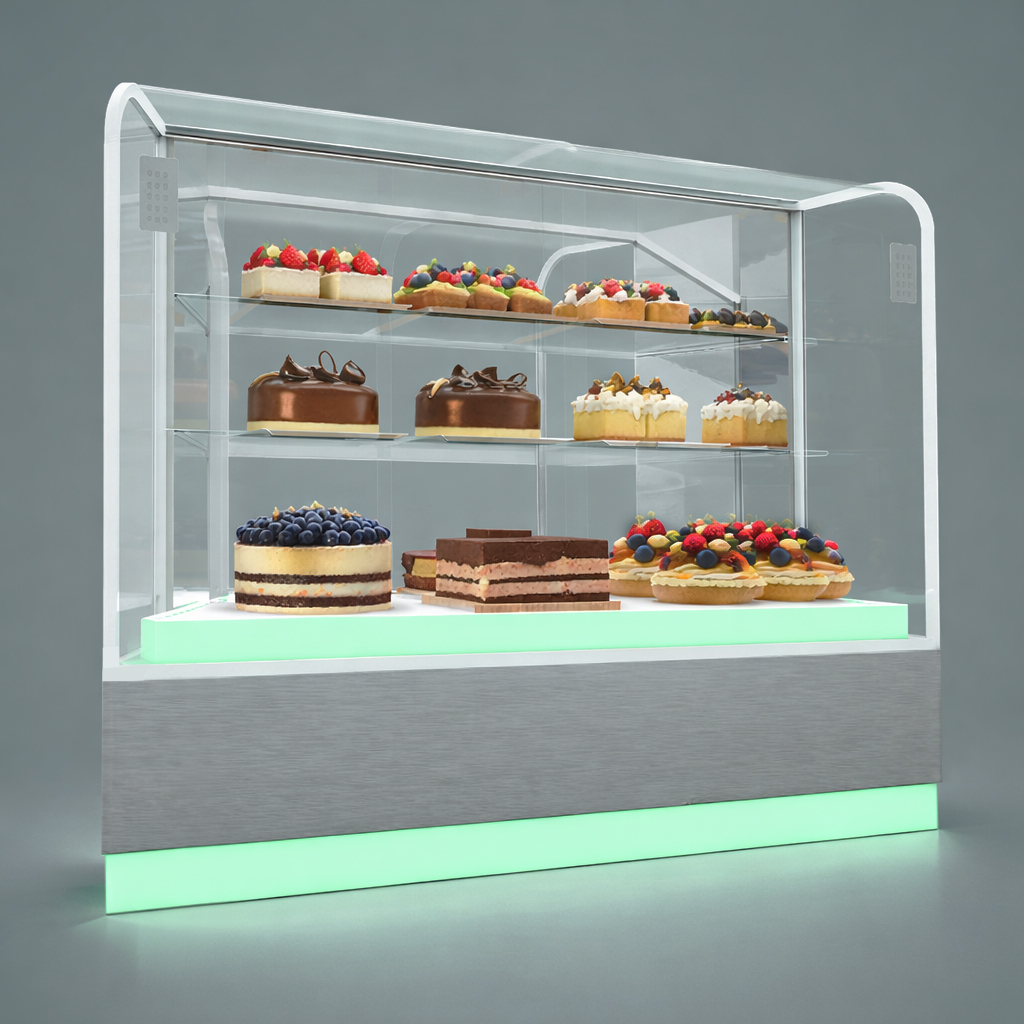
Design a modular, visually dynamic commercial display fridge for DeBlasi, an Italian refrigerator manufacturer, as part of a partnership project between my university (UANL in Mexico) and Cosmob in Italy.

DeBlasi
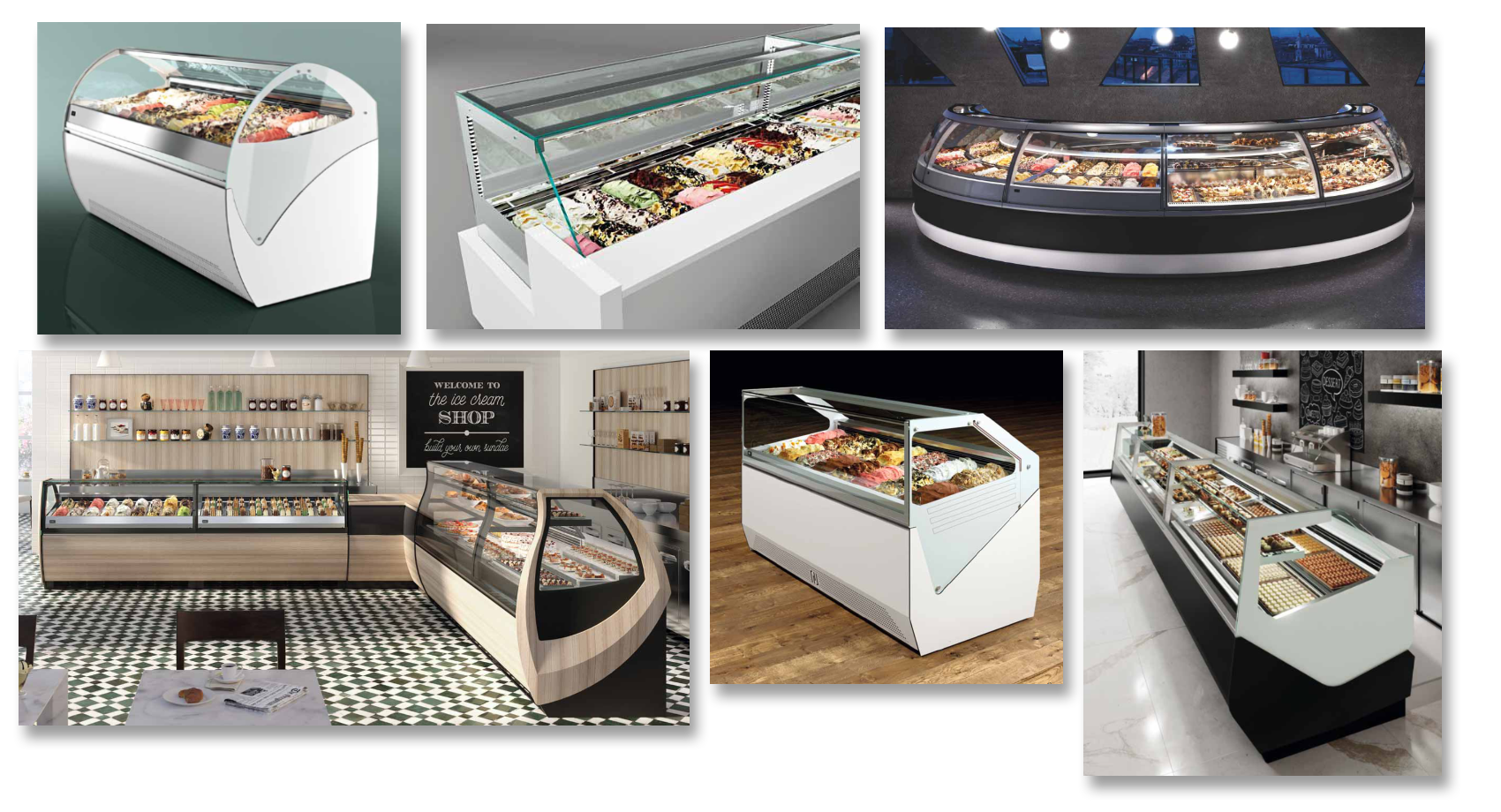
DeBlasi is an Italian company with over 50 years of experience manufacturing display fridges and bar furniture for pastry and ice cream shops. Its design language reflects Italian aesthetics from the late 70s and 80s, characterized by vibrant colors and clean, understated forms.
Cooling Technology
"Cold does not exist. Only the presence or absence of heat. Temperature measures how much heat is present. Refrigeration is simply the art of heat removal."
The most common methods for cooling enclosed spaces are compression and absorption refrigeration.
The compression method is widely used for its efficiency and availability. Its main challenge is the space required for the compressor and condenser, which are typically placed on top or at the back of the unit.
The absorption method, while more sustainable in theory as it uses water and ammonia as refrigerants and consuming less energy, it’s impractical for large retail display fridges due to insufficient cooling capacity.

Retail Landscape
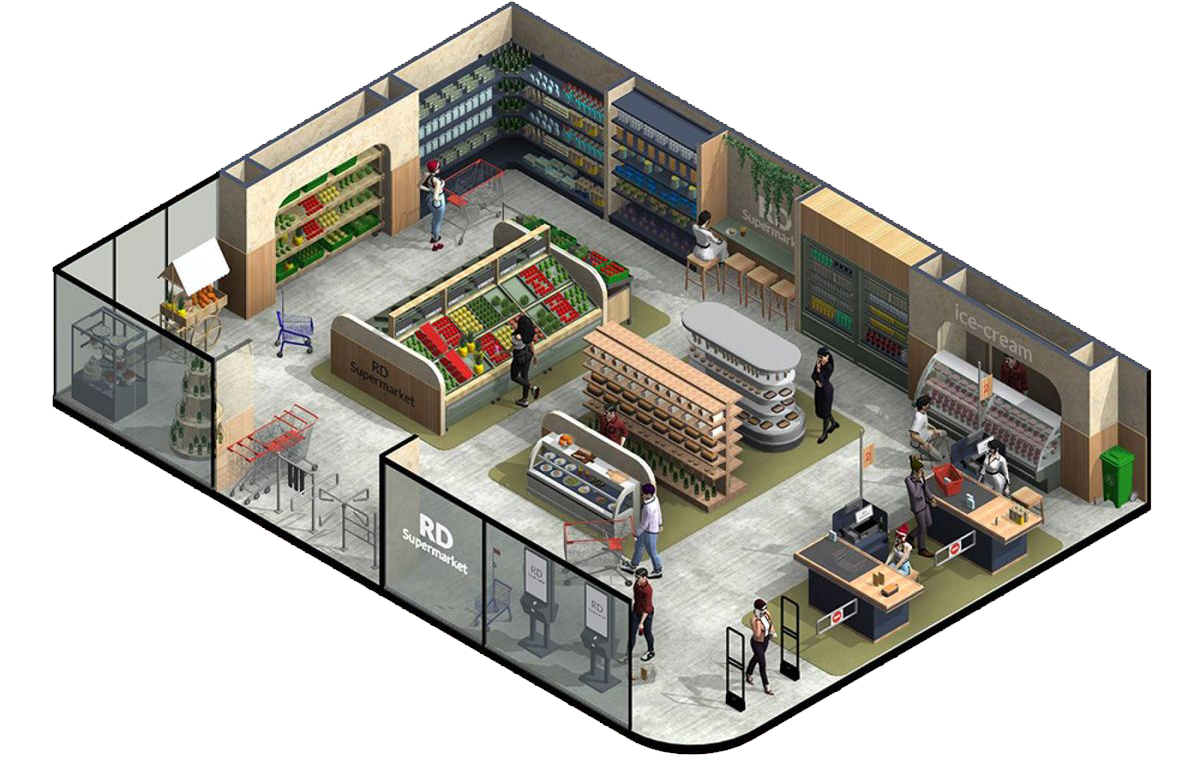
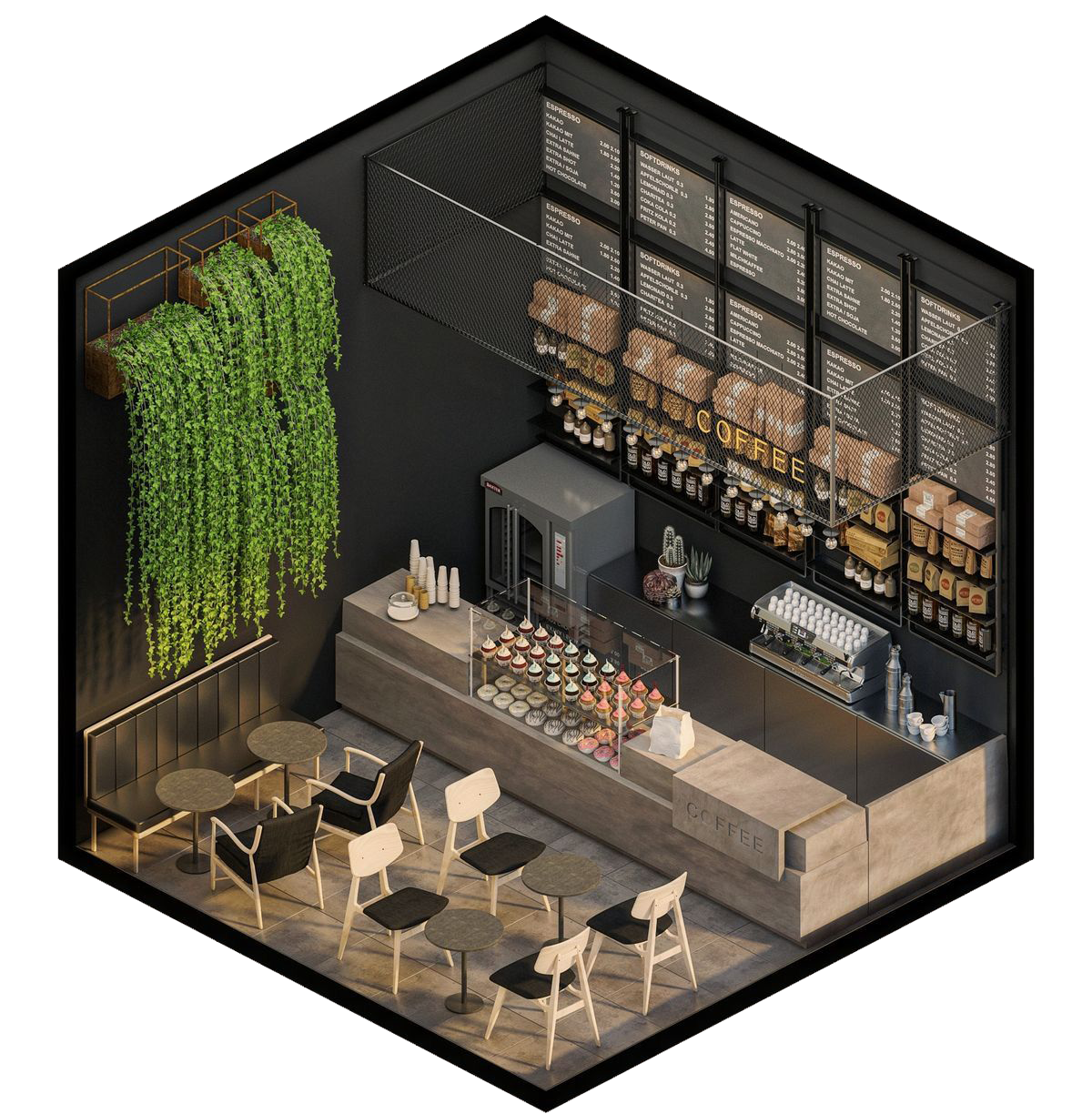
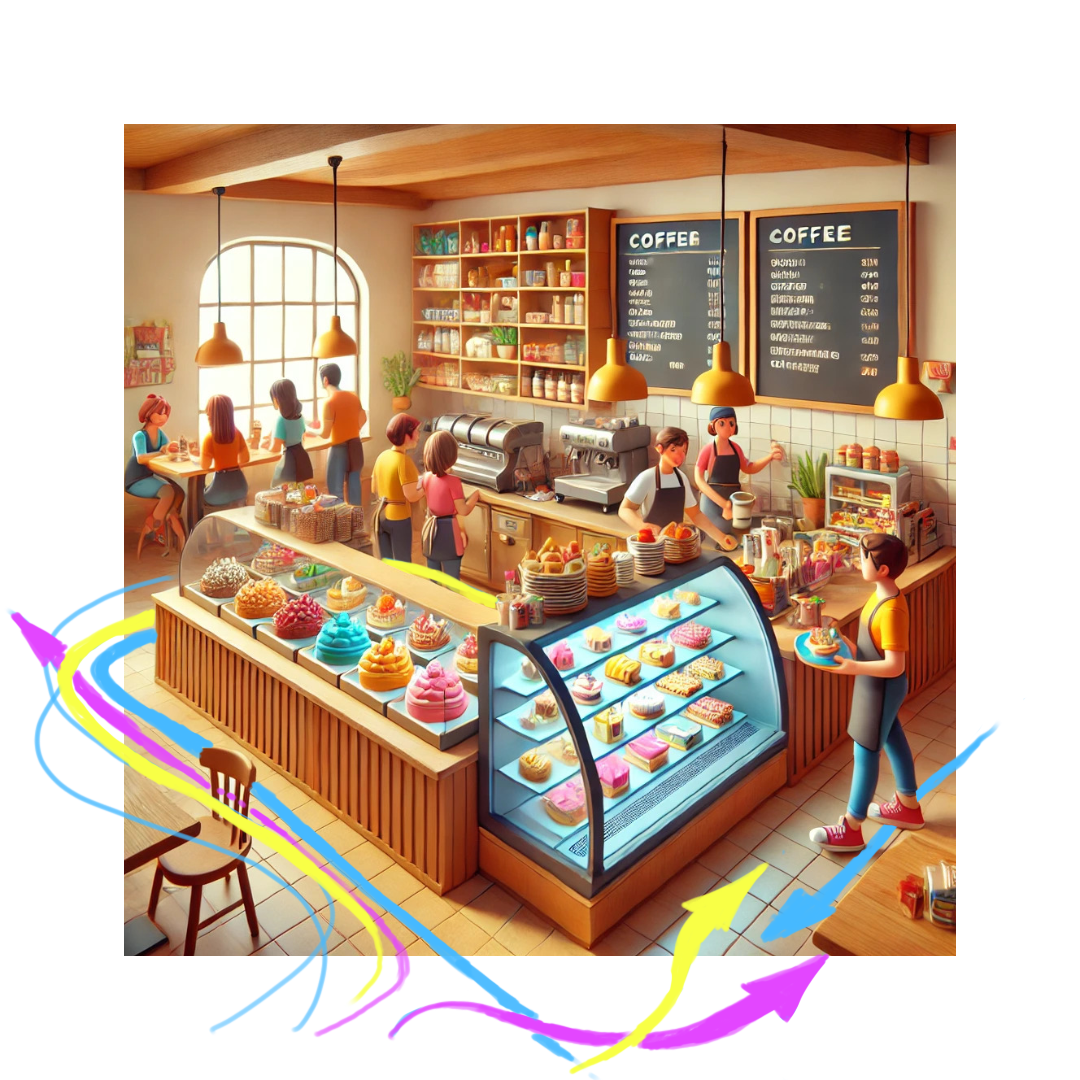
I also considered the environment in which the display fridge will be placed. Key factors include showcasing premium pastries, ensuring proximity to the customer, and facilitating easy cleaning.
Large stores have more space to display products and often require consistency and standardization across multiple units.
In contrast, bakeries and ice cream shops frequently have limited space, where display units can take up a significant area. Optimizing layout to maximize the customer experience and leveraging sightlines to highlight products are essential considerations.
Modularity
A modular appliance offers flexibility to be reconfigured and connected in various layouts, enabling different functions. These systems are typically based on standard sizes.
I explored organic architecture as a way to address spatial constraints.
Emerging from the functionalist and rationalist movements of the 1930s and 1940s, organic architecture emphasizes flow, movement, adaptability, and a sense of playfulness.


User: Customer


User: Employee
Strengths
Weaknesses
Opportunities
Threats
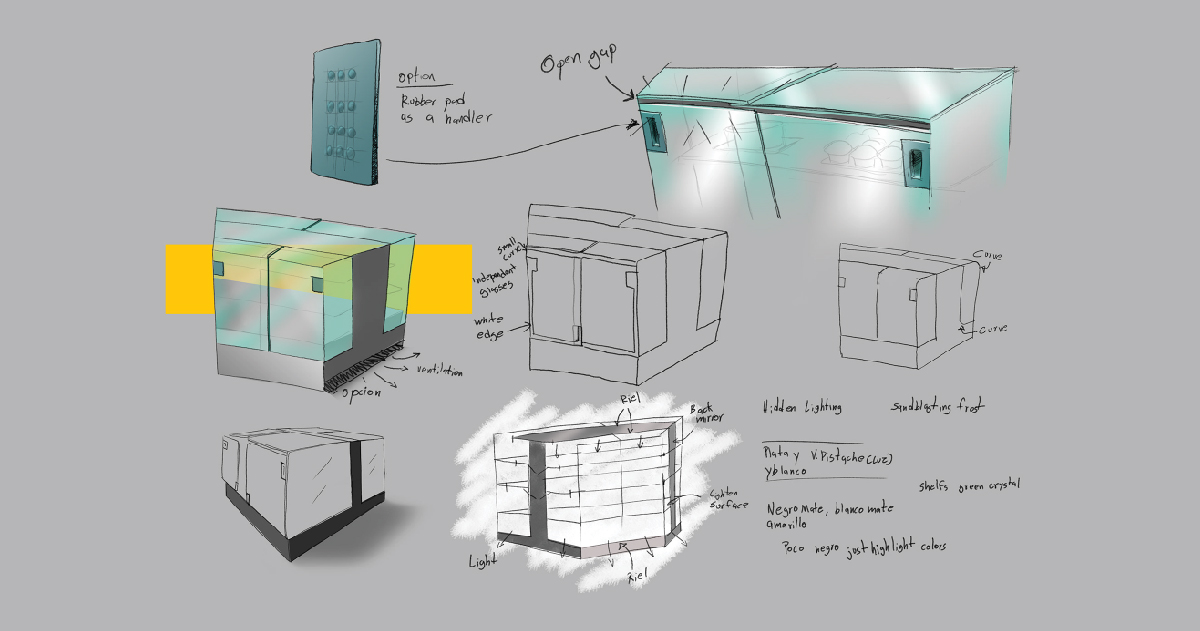
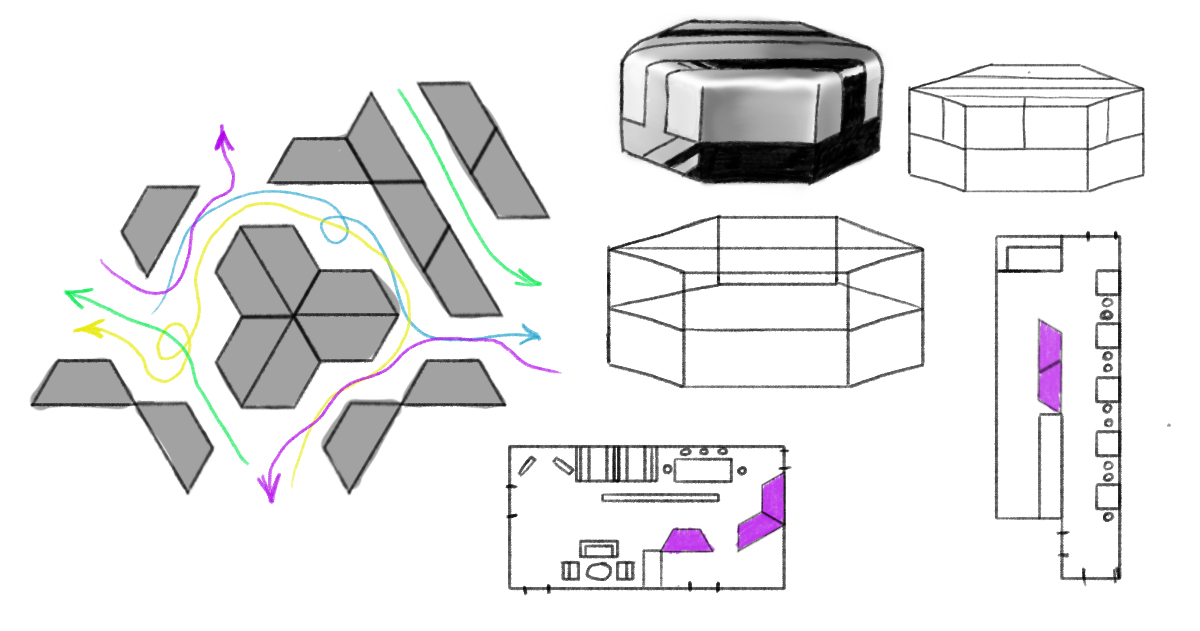

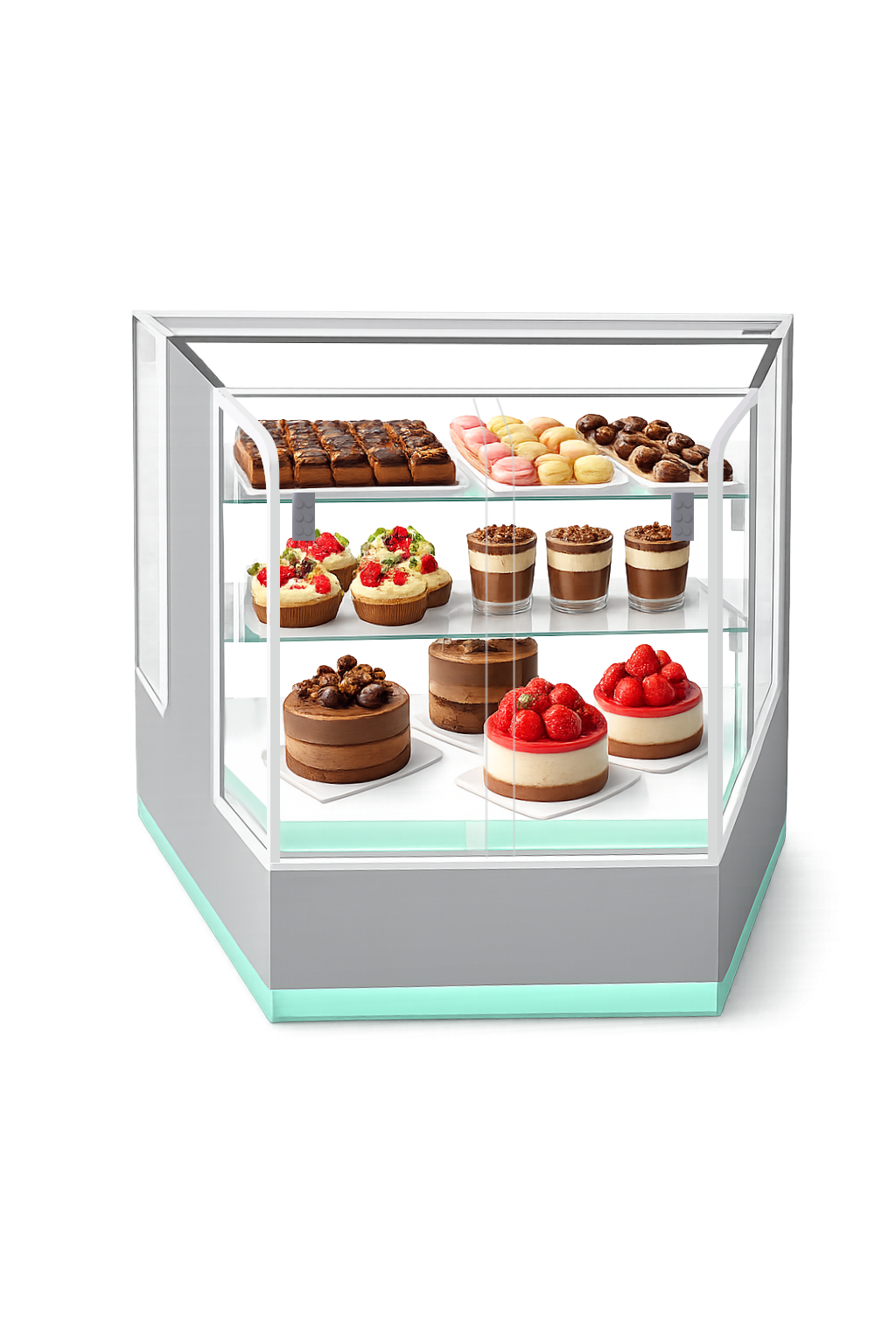
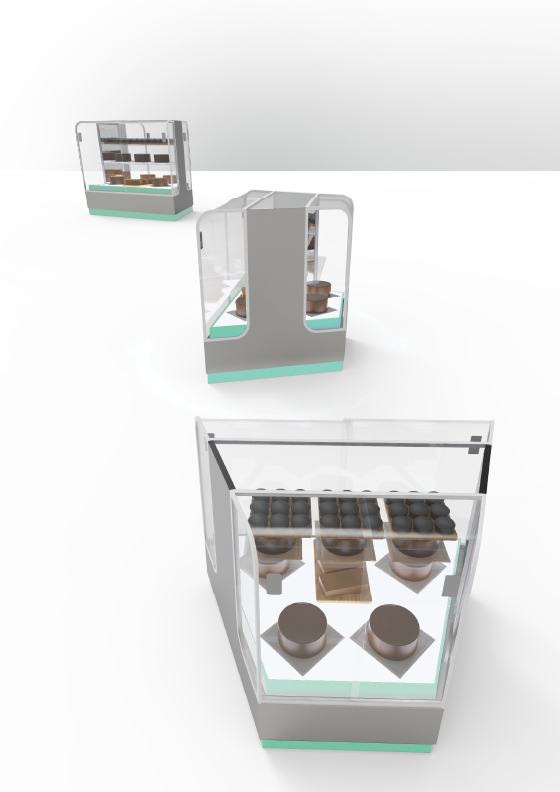

*Bottom view
Main
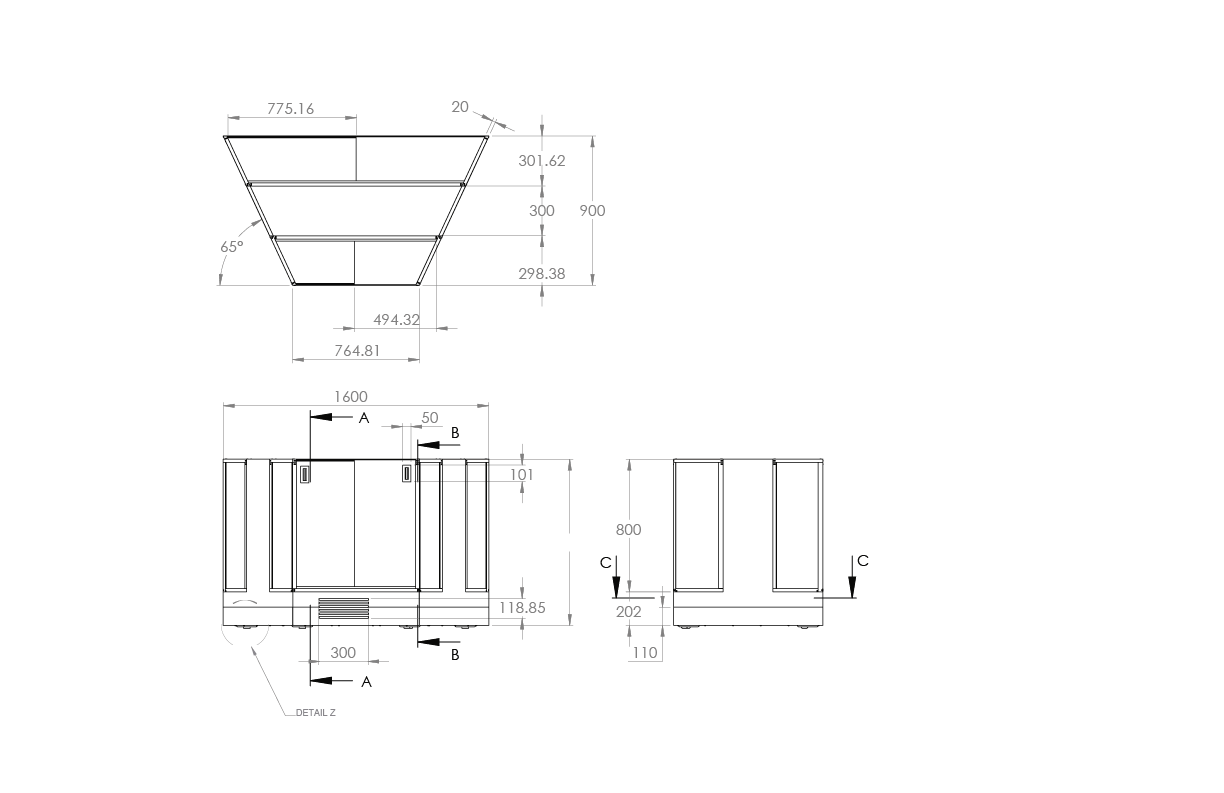
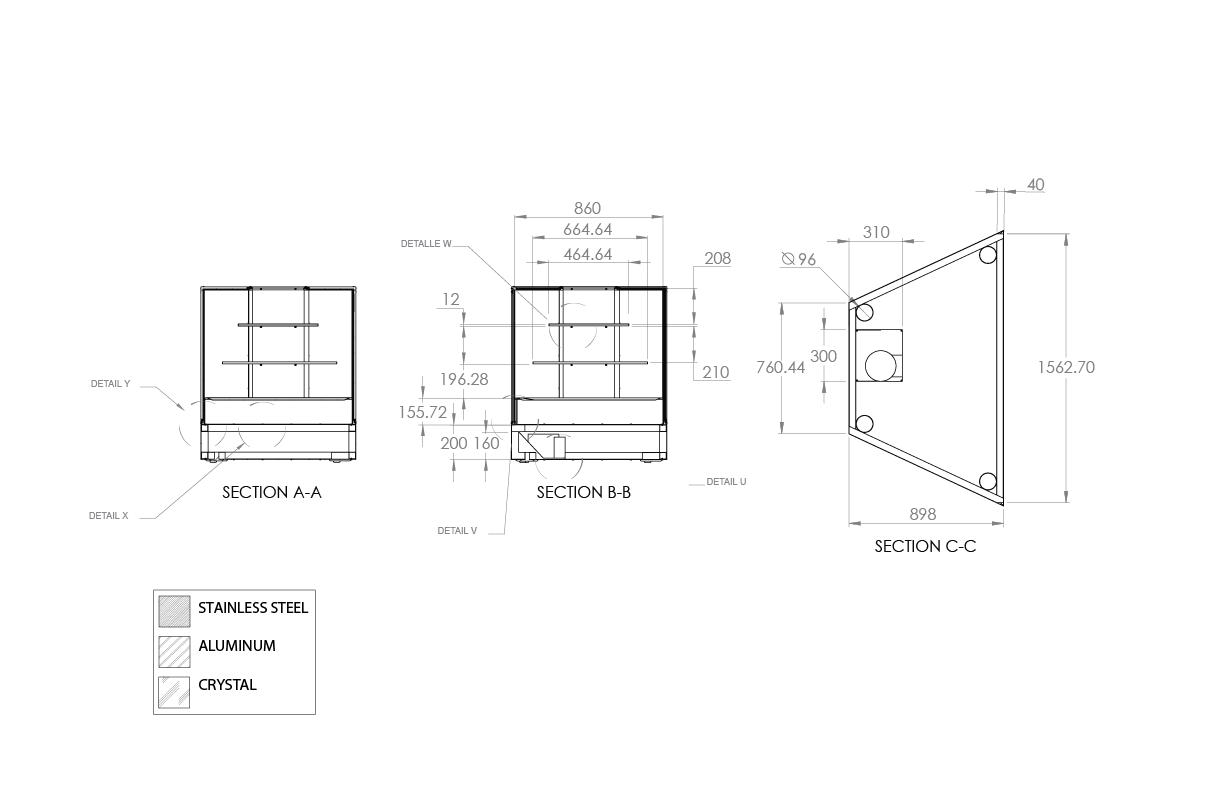
Sections
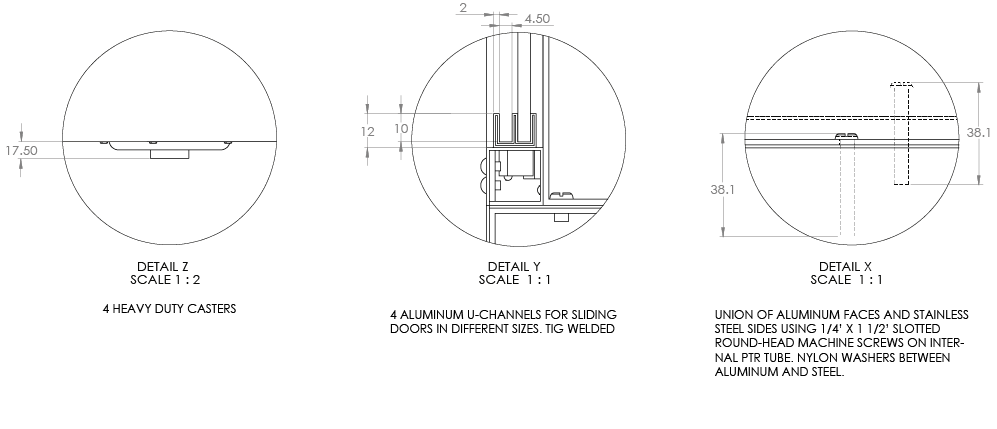
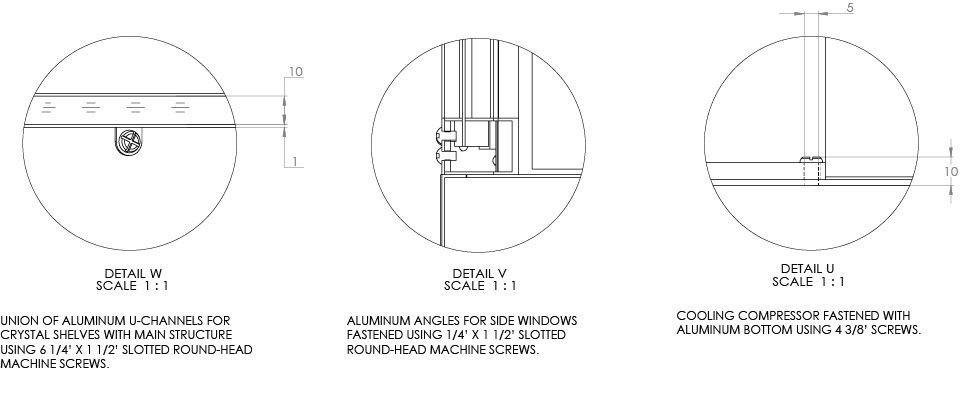
Details
The partnership between both institutions encouraged my classmates and me to take Italian classes which were really fun and easy but I never used it outside the classroom. There was an option to go to Italy for a month, to a town called Castelraimondo to learn Italian in an immersive way at the Campus Magnolie. I didn’t go but it’s on my short-term goals.
My display fridge originally was called Doppia Sguardo (Double perspective). I changed its name to “Display Fridge” as the target audience for my portfolio are English speakers.
I learned about refrigeration systems and their proper applications depending on the type fridge.
I found out that the retail store' layout and the lighting influences buyer behaviour and also I learned about the needs of the employees.
This project also allowed me to practice the design thinking methodology, which has always helped me approach problems with a more user-centered mindset.

Take advantage of rainwater holistically
Rain Collector

Christmas decoration installed in Paseo Tec, Monterrey, Mexico
Mall Decoration
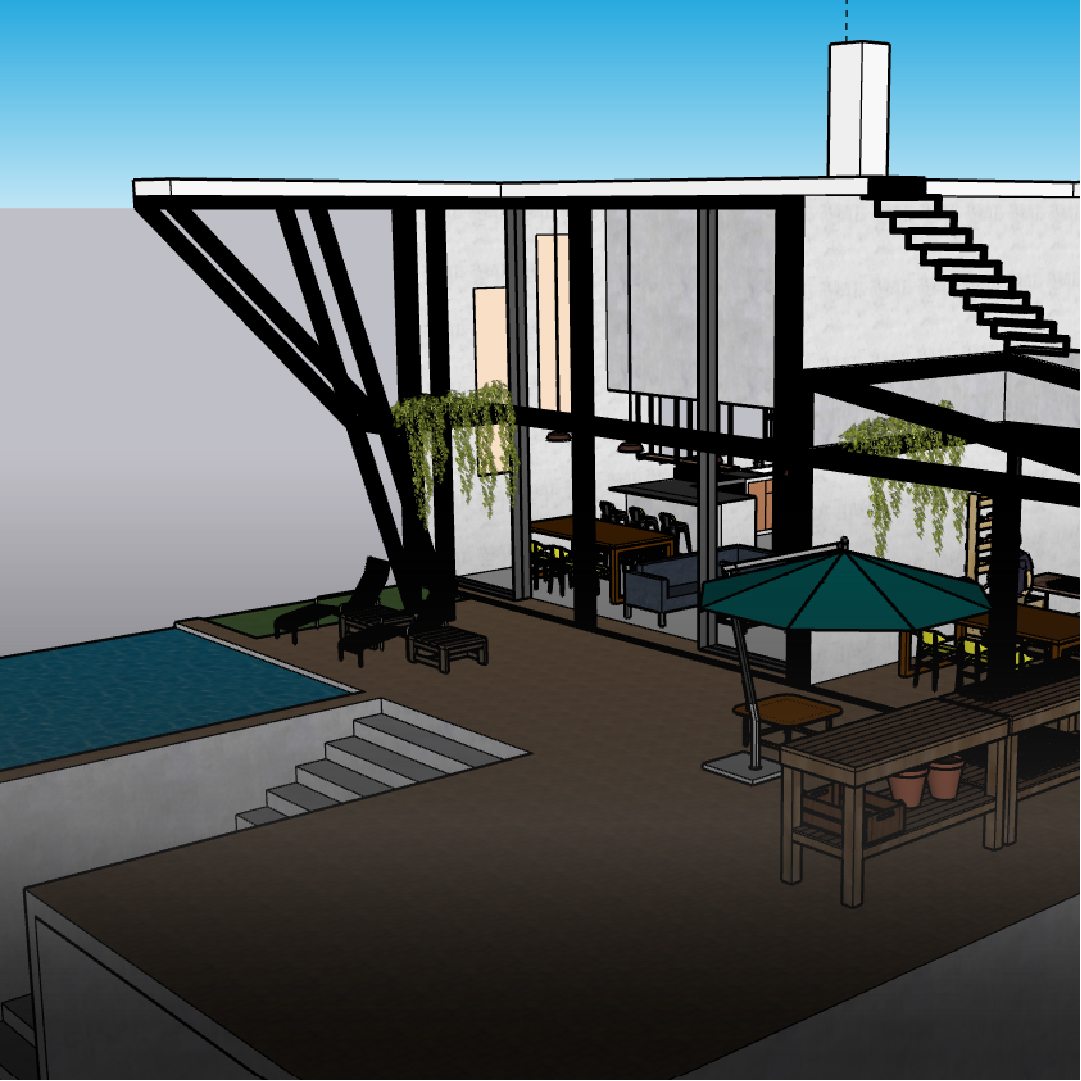
Architectural and Interior design concept
Amaya Maya's house
Brandon Amaya | 2026